—
Predator
The rubber-fin boot a Liverpool player invented in his kitchen
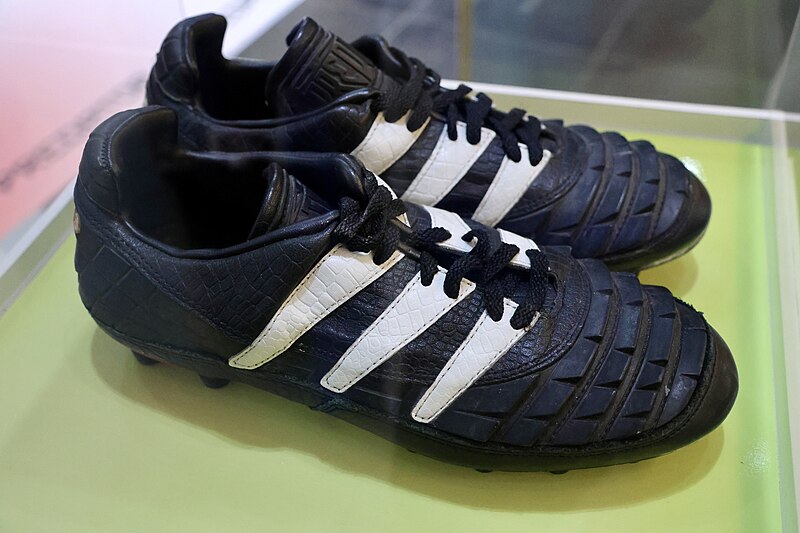
The Predator began in 1994 as the idea of Craig Johnston — an Australian former Liverpool forward — who glued rubber strips to a boot's upper, inspired by the grip of a table-tennis bat, to put more swerve and power on the ball. adidas first rejected it; Johnston won them over with a prototype demonstration. Those rubber elements have been the Predator's signature ever since, surviving every redesign down to the Predator 26's NanoStrike+ grip, and are exactly why the silo is sold as the control-and-spin boot.
1994
03
Predator — the lineage
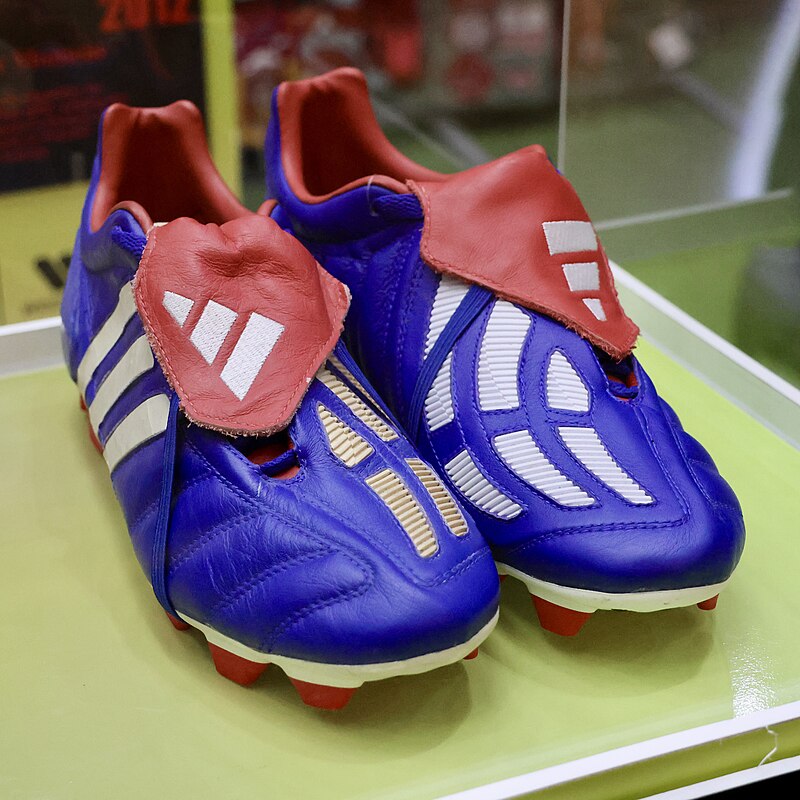
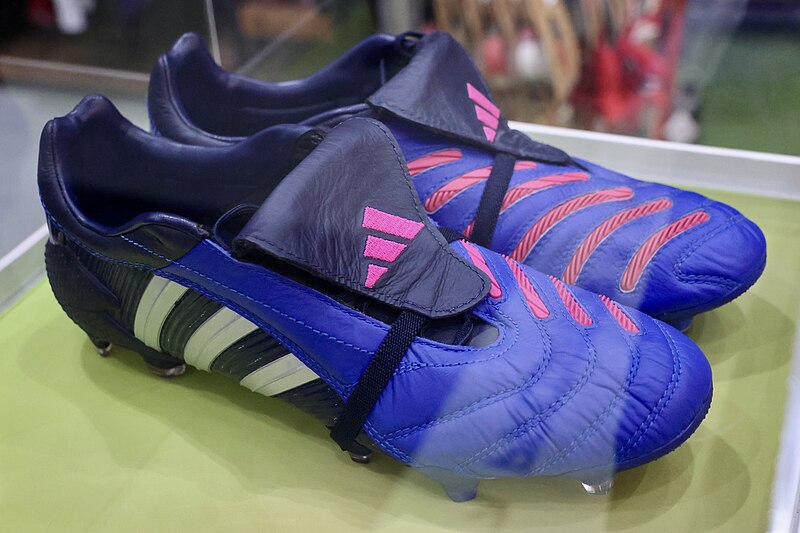
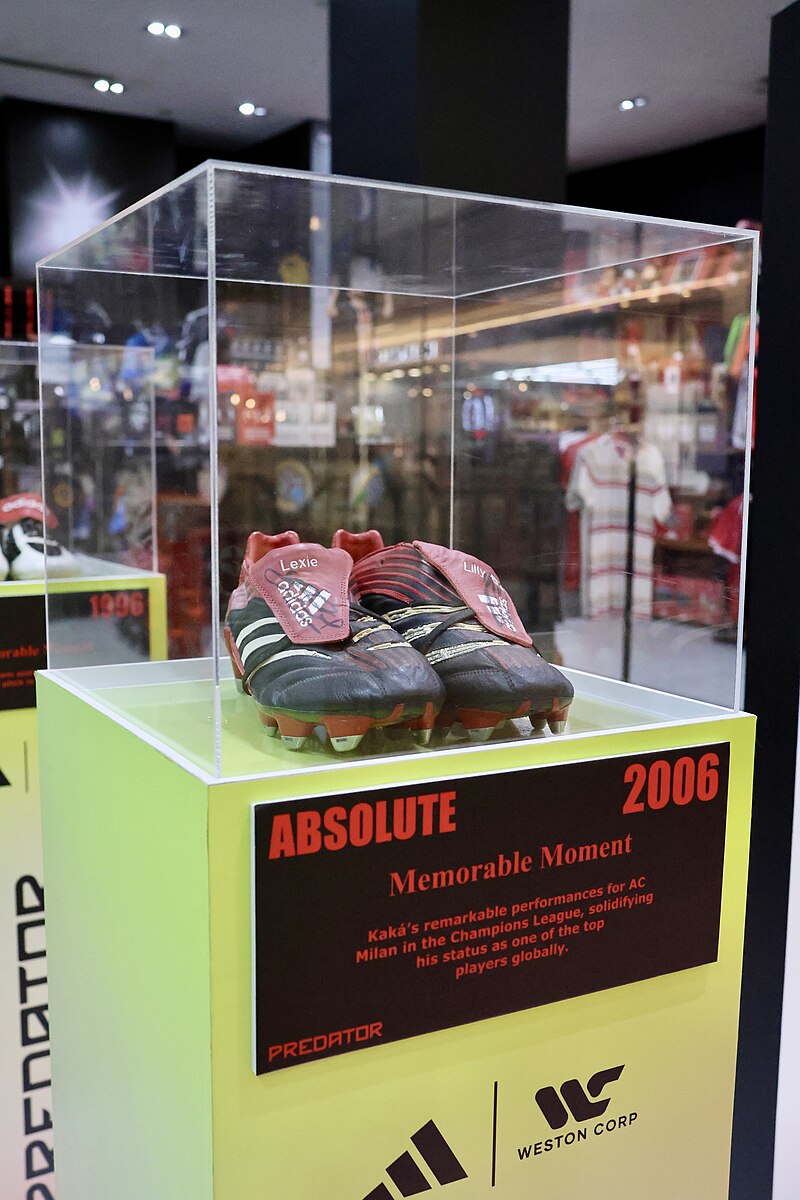
Every generation of the boot, in order — what changed, who wore it, and a photograph where a freely-licensed one exists. Generation notes are in English for now.
No freely-licensed photograph of this generation yet.


No freely-licensed photograph of this generation yet.
No freely-licensed photograph of this generation yet.
No freely-licensed photograph of this generation yet.
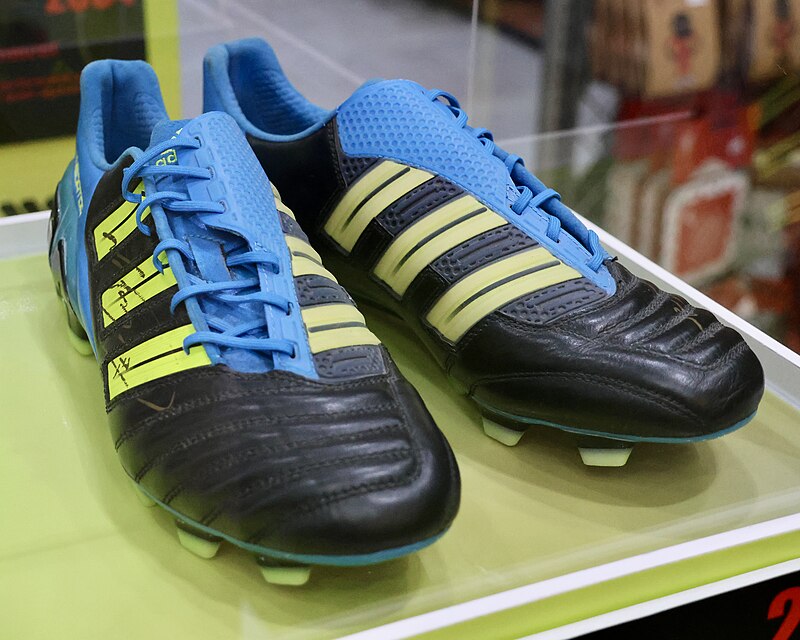
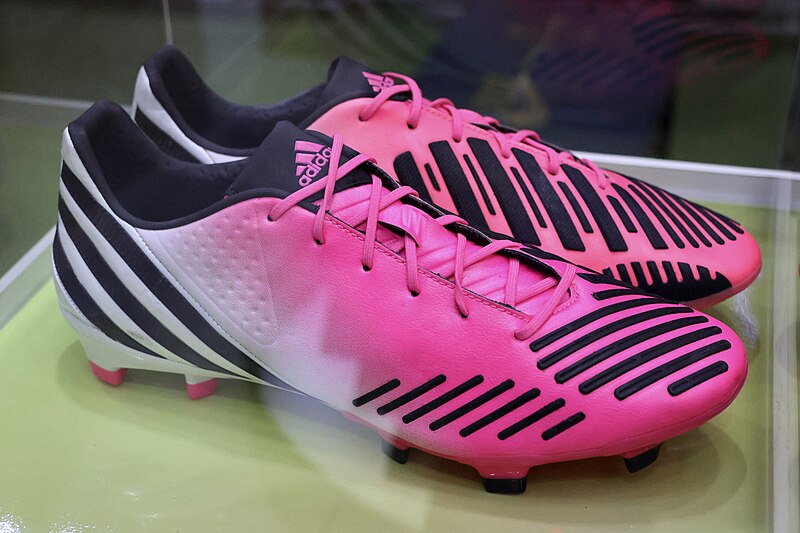
No freely-licensed photograph of this generation yet.
No freely-licensed photograph of this generation yet.
No freely-licensed photograph of this generation yet.
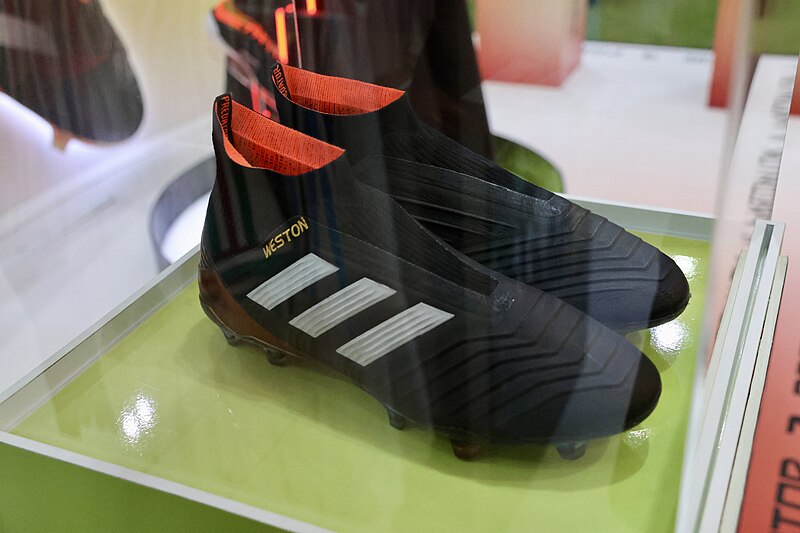
No freely-licensed photograph of this generation yet.
No freely-licensed photograph of this generation yet.
No freely-licensed photograph of this generation yet.
No freely-licensed photograph of this generation yet.
No freely-licensed photograph of this generation yet.
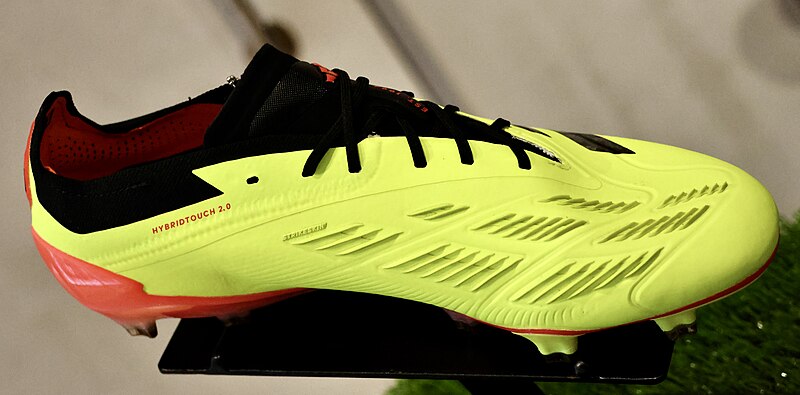
No freely-licensed photograph of this generation yet.
No freely-licensed photograph of this generation yet.
02
Predator — the full album
Every generation, one slot each. Boot names stay in English, and some archive notes are still English-only — those are marked. Scroll the row.
1994
The rubber-fin boot a Liverpool player invented in his kitchen
The Predator began in 1994 as the idea of Craig Johnston — an Australian former Liverpool forward — who glued rubber strips to a boot's upper, inspired by the g…
launch
—
Predator Accuracy
The 'Accuracy' Predator — rubber spin elements across the strike zone.
—
—
Predator Edge
The 'Edge' Predator with a wrap of rubber spikes (Zoneskin) for grip and spin.
—
24
Predator 24
The rubber-spine control upper; this generation reintroduced the folded tongue.
—
25
Predator 25
The immediately-superseded Predator control upper with rubber spin fins.
€104
26
Predator 26
A synthetic control upper studded with rubber grip elements (the heir to Demonskin) that bite the ball for spin on passes and shots. Predator is the…
current